Experimental and regenerated green spaces: nature returns to Naples' neighborhoods
In Naples, nature isn't confined to grand parks or historic villas; it reemerges where it was once absent—between buildings, on rooftops, and in formerly abandoned areas. This new, urban, and relational greenery results from participatory projects, grassroots visions, and small yet significant interventions. It's a form of green that heals wounds, reactivates spaces, and shapes a more inclusive and livable city.

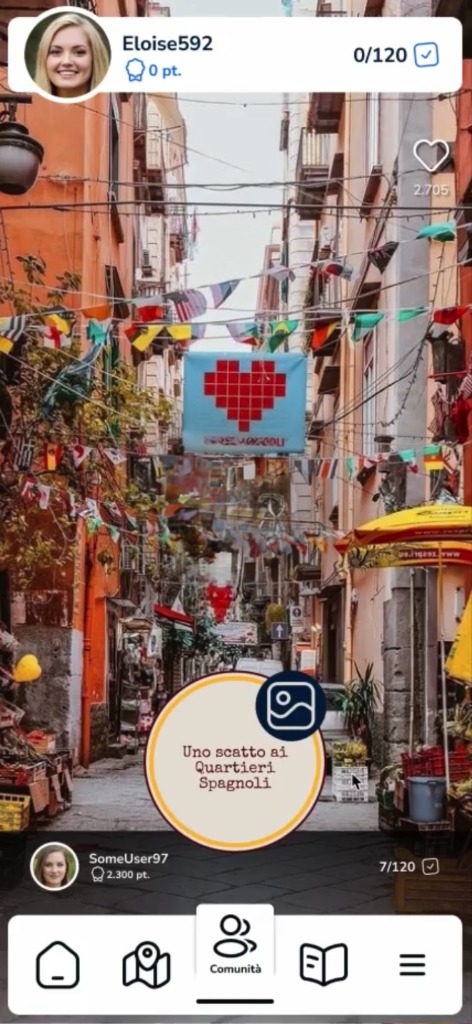
Parco dei Quartieri Spagnoli: greenery among the houses
In the heart of Montecalvario, a once-abandoned area has transformed into a neighborhood urban park, thanks to the efforts of FOQUS and the local community. With benches, playgrounds, trees, and pathways, this small green lung nestled among the alleys is designed for children, the elderly, and families. It's not merely a recreational space; it's a social stronghold, a place for daily interaction.
Parco Re Ladislao: revitalizing Forcella
Behind the Church of San Giovanni a Carbonara lies the small Parco Re Ladislao, recently restored and reopened to the public. This garden, a quintessential example of a medieval "hortus conclusus," was originally used by monks for cultivating aromatic and medicinal plants. After years of neglect, it underwent a revitalization project that restored its pathways, tended to the greenery, and enhanced accessibility. Today, the park offers a rejuvenating environment for both young and old.

Urban gardens and shared green spaces: a city that cultivates
Across various neighborhoods, from Colli Aminei to San Giovanni a Teduccio, shared gardens and community green spaces are emerging. These initiatives involve schools, associations, and active citizens. Here, greenery serves as an educational, experimental, and ecological space. It's not just about cultivating plants but also nurturing relationships and building community around a flowerbed, a seed, or a harvest.
to.
Nature as an urban possibility
Naples' experimental and regenerated green spaces are more than just landscapes; they are social projects, cultural actions, and tangible responses to real needs. They demonstrate that even in the densest and most challenging areas, it's possible to envision a different city—a city that breathes, listens, and welcomes.