Independent Naples: where urban underground is born
Alternative venues blending music, art, and cultural resistance
There’s a Naples you won’t find in glossy travel guides or mainstream nightlife circuits. It pulses underground — in former workshops, community centers, and neighborhood bars transformed into cultural labs. It’s an independent, vibrant, and resilient Naples, where art, music, and critical thought flourish outside commercial logic.

Spaces that don’t just serve drinks — they serve visions
Naples’ independent venues are often hybrid spaces: not just bars or clubs, but concert halls, galleries, creative coworking spaces, bookstores with stages, DIY cinemas, or simple rooms with a sound system and big ideas.
Here, experimentation rules — from underground electronic music to experimental jazz, off-theater to self-published books, and talks on politics, the environment, and social justice. The guests? Independent musicians, emerging DJs, activist writers, visual artists. The crowd? Students, creatives, activists, outsiders, the curious.
Where to find them? In places no one looks
These spaces don’t sit in the city’s polished salons, but in its overlooked corners:
• On the edges of the historic center, hidden between narrow alleys and inner courtyards.
• In Eastern Naples, in reclaimed warehouses between San Giovanni a Teduccio and Ponticelli.
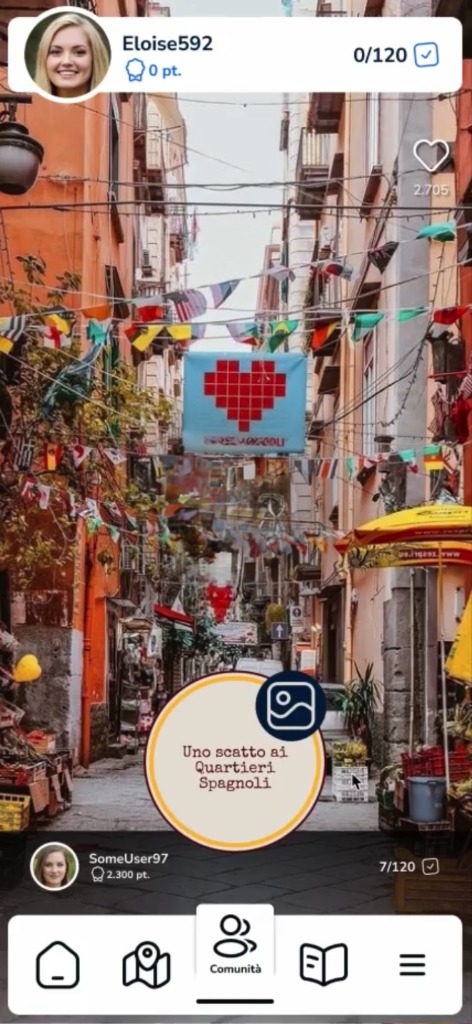
• In the Rione Sanità and the Spanish Quarters, where culture becomes proximity and resistance.
• On the hills, in the cellars of Vomero or forgotten rooftops.
Some venues come and go, others endure. But all share one thing: they’re built from vision, not for profit.
Not just events: communities in the making
An independent venue in Naples isn’t just a place to spend the night. It’s a space of recognition, conversation, participation. Where horizontal relationships are built, voices are amplified, and an alternative culture — one beyond consumption — is created.
That’s why many of these places host free workshops, artisan markets, film screenings, book launches, kids’ activities, and urban regeneration projects.
The Neapolitan underground isn’t an aesthetic — it’s a political choice
In a city torn between mass tourism and local disillusionment, independent venues are islands of meaning. They resist standardization, speak a different language, and don’t look for an audience — they build one. And Naples, a city always thriving on contamination, continues to invent new forms of free, grassroots culture.
To visit these spaces is to discover another Naples — the one that creates without asking permission.
A city more fragile, but more real.
A city not to photograph — but to live.