Naples Reinvented: FOQUS and Palazzo Fondi, two visions of urban regeneration
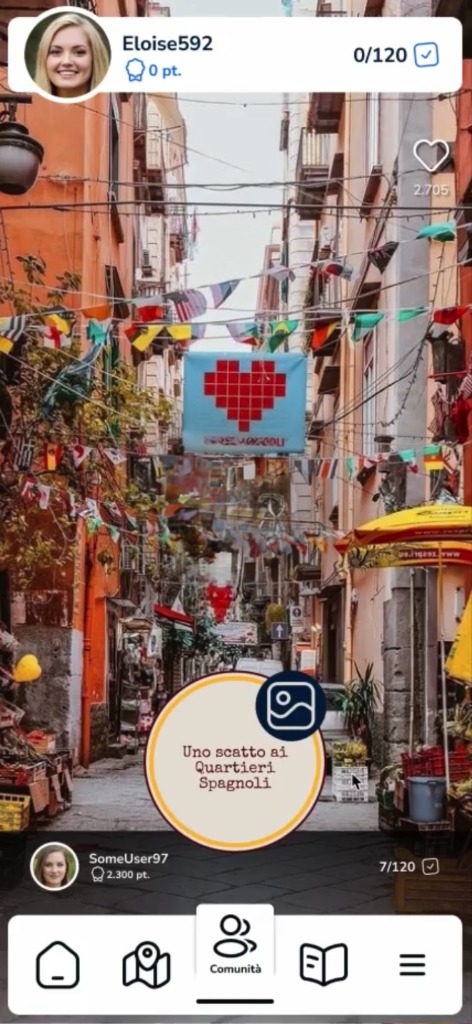
Naples is a city in constant transformation, turning forgotten spaces into hubs of culture, innovation, and inclusion. Two significant examples of this rebirth are FOQUS, in the heart of the Spanish Quarters, and Palazzo Fondi, on Via Medina. Both represent virtuous models of urban regeneration, albeit with different approaches.

FOQUS: a community regenerates itself
In 2013, the former Montecalvario Institute, a 10,000 m² building in the heart of the Spanish Quarters, was transformed into FOQUS – Fondazione Quartieri Spagnoli. This project created an educational and productive ecosystem that includes schools, creative laboratories, startup spaces, personal services, and cultural initiatives. FOQUS exemplifies how urban regeneration can originate from the grassroots, actively involving the local community and promoting social inclusion.
Palazzo Fondi: the power of temporality
From 2018 to 2023, Palazzo Fondi, a historic 18th-century building on Via Medina, was the focus of a "temporary urban regeneration" project. Through collaboration between the State Property Agency and Urban Value, the palace was transformed into a multifunctional space hosting exhibitions, cultural events, and creative activities. This model demonstrated how the temporary use of historic buildings can generate cultural and economic value for the city.
Two models, one vision
FOQUS and Palazzo Fondi represent two complementary approaches to urban regeneration: the former, a structural and community-driven intervention; the latter, a temporary and creative use of a historic space. Both testify to Naples' ability to reinvent itself, valorizing its heritage and promoting social and cultural innovation.
These projects are tangible examples of how urban regeneration can transform the city, creating new spaces for inclusion, creativity, and participation.